
Child's play
Writing a novel or daring to write a memoir

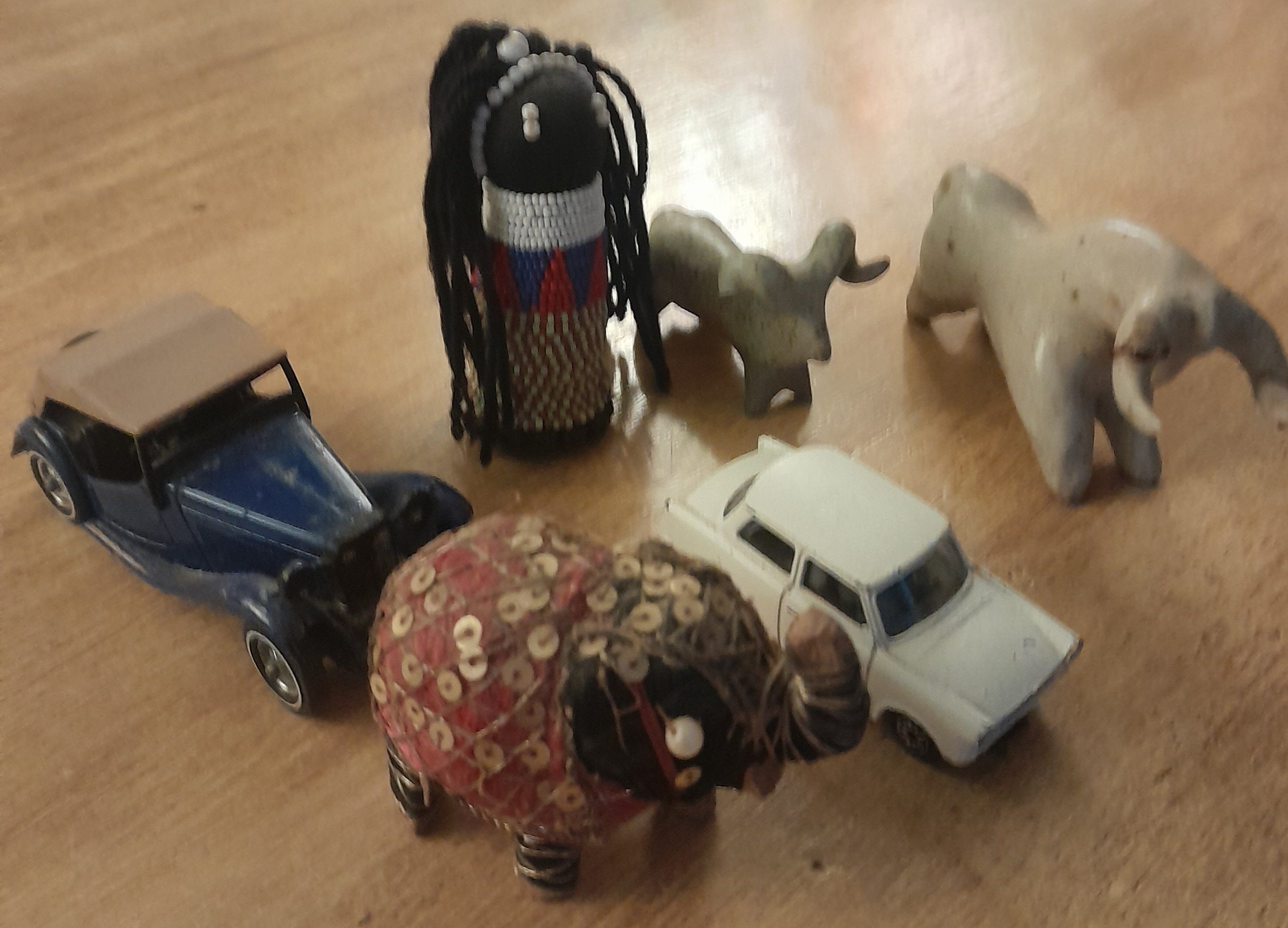
1. A few evenings back I was invited to speak to a group of people who gather once a month to talk about books. They’re not a book club. They’re most adamant about that. They meet to talk about books. Just so happens that the person who started the group is a friend and he asked me to come and talk about what it is to be a writer. Well, of course, any opportunity to talk about oneself has to be grabbed.
However, that’s not the point here.
The point is that towards the end of the evening, one of the group described the writing process as like a child playing. The child sits down on the floor with a range of toys - some dolls, maybe a doll’s house, Matchbox cars, other figures, maybe plastic dogs, cats, animals, trees - and soon enough all these objects are being used in a story. And the story ebbs and flows and maybe winds its way between chair legs and up onto the backs of couches and travels over the long reaches of carpet into distant realms. I’d never heard the writing process described like this but it seemed to me to be exactly what it is.
As I listened to her describing a child’s inventive playing session, I thought, Ja, that’s exactly what writing a novel is like. Child’s play, really. We sit down at a laptop. We have characters. They live in houses in a certain place. They talk to one another. They do stuff. And as they do these things scenes are created and a story unfolds. Well, it sort of goes like that, doesn’t it?
2. The other remarkable thing about that gathering was that two of us had matriculated from the same school in the same year. That school was in Johannesburg and now here, some fifty-seven years later, we were in a sittingroom in a Wynberg house in Cape Town. She has had a successful career as an actress and I’d seen her in plays and followed her career from a distance. We’d met briefly by chance at the Simon’s Town book festival about three years ago and then gone back into our lives. I’m not entirely sure why I was struck by our being in this room together these many years later but maybe it had to do with our more or less starting out from the same geographic point, living completely different ‘stories’, and then meeting again. I suppose it told of the passage of lives, of lives witnessed.
3. Jan Harayda in her Letter from a Reader on Substack: “[I]t’s fair to say the culture and economics of the publishing business have […] incentivized mediocrity in books. Three factors have played an outsized role in that: the arrival of Amazon, conglomeration among publishers, and the self-publishing boom.”
4. A final thought from Mary Karr, the author of The Liars Club: Personal narrative “is not an act of history but an act of memory, which is innately corrupt”. Anyone thinking of writing a memoir?
That's a great observation about child's play. I vividly remember sneaking through the garden, getting into position to assault the house with all sorts of props (and after I saw the second Rambo movie, always with a bow and something tied around my head). In the evening I'd use cars and action figures, annoying my parents as they tried to watch TV with my booming sound effects in the background. And here I am, all these years later, still creating stories.
Can you point to which Jan Harayda post that quote comes from? I’d like to read the full text. Thanks, Mike!